finance
Global Tensions Cast Long Shadow Over Charlotte’s Business Landscape
From international conflicts to natural disasters abroad, global upheavals are reverberating through Charlotte’s economy in unexpected ways.
How we reported this
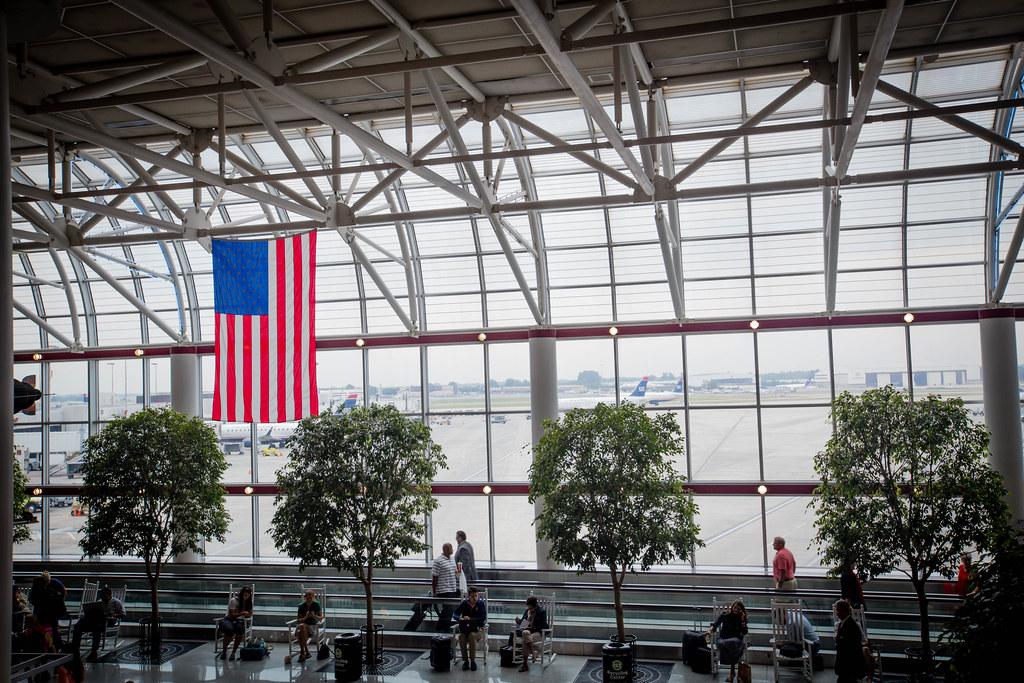
Recent international developments, including renewed American military actions in the Middle East and severe weather events in Asia, are impacting Charlotte’s business community more directly than many local companies might realize. The closure of the Strait of Hormuz by Iran and ongoing typhoon disruptions in China are constraining global trade routes and supply chains, affecting firms reliant on international goods and markets.
Why Global Strife Matters to Charlotte
The strategic Strait of Hormuz remains crucial for the transit of about 20% of the world’s oil supplies, making its closure a critical blow to energy markets. This squeeze on the global energy supply underpins wider economic uncertainty, which is felt even in inland trade hubs like Charlotte. Similarly, China’s evacuation of nearly two million people ahead of Typhoon Bavi and the resulting flight delays and floods disrupt manufacturing and shipping, rippling through industrial supply chains worldwide.
Charlotte’s position as a major financial center with a vibrant business scene means that local companies engaging in international trade or reliant on global sourcing are vulnerable to these distant shocks. The disruptions can lead to higher costs, delays in inventory, and pressure on margins at firms from manufacturing to retail. In a city where finance, transport logistics, and technology sectors flourish, responsiveness to such global stressors is critical.
Local Business Faces Global Ripple Effects
Disruptions to supply chains have been a persistent challenge for many Charlotte-area businesses. For example, firms headquartered in office clusters like SouthPark or in the rapidly growing Airport area often depend on components or goods sourced from Asia. Delays caused by Typhoon Bavi’s widespread flooding in China constrain the flow of goods, pushing some local retailers to find alternative suppliers or carry higher inventory levels as a buffer.
Meanwhile, firms in the energy sector and financial institutions around Uptown are adjusting to new market dynamics triggered by the risk of prolonged instability in the Middle East. Although Charlotte is not a port city, its financial firms often manage investments and risk related to energy markets affected by the Strait of Hormuz closure. Longer-term uncertainty in oil prices can influence lending, investment decisions, and local job markets connected to energy financing.
While no precise local statistics are available from recent events, analysts note comparable past disruptions have led to supply chain interruptions lasting weeks and elevated cost pressures for businesses in global trade hubs. Trade consultants in the region highlight how volatility in distant regions compounds existing inflationary pressures, challenging business planning and consumer pricing locally.
Charlotte businesses would do well to intensify focus on supply chain resilience and diversify sourcing options to reduce exposure to international volatility. Firms in financial and risk management sectors can support clients navigating these global uncertainties by providing tailored strategies and hedges against market fluctuations.
Looking ahead, Charlotte companies should monitor geopolitical flashpoints and climate risks internationally as a standard part of their strategic planning. Being proactive in adjusting logistics, inventory management, and financing strategies can help mitigate the impact of global shocks on local operations. Despite uncertainty abroad, Charlotte’s diverse and adaptive business environment remains positioned to manage these challenges, but vigilance and flexibility will be key.
This article is general information only and is not personal financial or investment advice. Consider your own circumstances and seek licensed professional advice before making financial decisions.