news
Global Crises Reshape Charlotte's Economy and Community Life
From geopolitical tensions to environmental disasters abroad, international developments ripple through Charlotte’s economy and community life.
How we reported this
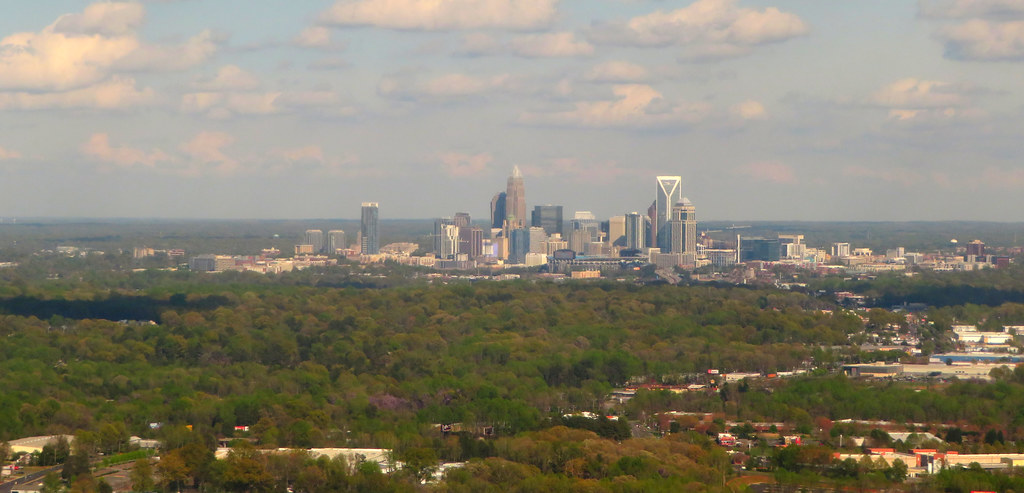
In recent days, global events have underscored threats and uncertainties with potential local ramifications for Charlotte residents. Among them, the United States military launched fresh strikes as Iran closed the strategic Strait of Hormuz, a vital artery for global oil shipments. This development highlights heightened tensions in the Middle East, a region that strongly influences energy markets worldwide. Concurrently, China evacuated nearly two million people ahead of a powerful typhoon's landfall, signaling serious disruptions to global supply chains.
Why Global Unrest Matters Locally
These international dynamics matter for Charlotte’s community because of their spillover effects on local economies and daily life. The Strait of Hormuz closure threatens to squeeze oil supplies. Charlotte’s residents could experience higher fuel prices, increased costs for goods, and more financial strain. Energy prices are a critical factor affecting family budgets, transportation expenses, and business operations. Additionally, disruptions in Chinese manufacturing due to typhoons can delay the supply of electronics and consumer products, which are integral to both businesses and consumers based in Charlotte.
Moreover, ongoing conflicts and escalating global tensions may influence local investment climates and job markets. Financial uncertainty can slow down commercial developments and affect industries crucial to Charlotte’s economy such as banking and manufacturing. While Charlotte remains focused on local governance and infrastructure, these external shocks emphasize the interconnected nature of today’s world.
Impact on Charlotte’s Neighborhoods, Economy and Daily Life
Although Charlotte’s neighborhoods-from NoDa’s artistic hubs to the business corridors along South Boulevard-aren’t directly affected by war or typhoons, residents there experience the indirect impact through market volatility and supply delays. For example, local retailers and manufacturers that depend on imported components often face challenges when global maritime routes like the Strait of Hormuz are disrupted.
Community programs and city planning efforts aiming to improve resilience in areas like South End, as well as maintaining affordable energy access for the Uptown workforce, could feel strain as prices fluctuate due to external crises. Furthermore, residents already grappling with cost-of-living increases may see those pressures magnified if gasoline and goods costs rise.
While precise figures on Charlotte’s exposure to these international developments aren’t outlined in public sources available today, industry observers note that shifts in global oil prices and supply chain interruptions generally translate quickly into local economic conditions. This qualitative insight aligns with recognized connections between global tensions and city-level cost structures.
Charlotte’s policymakers and community leaders are likely monitoring these evolving situations closely. For residents, the practical takeaway involves staying informed about fuel prices and supply issues and planning budgets accordingly. Supporting local businesses and community resilience programs can also help mitigate the ripple effects of global instability on Charlotte’s everyday life. While the international news may seem distant, its influences reach into the heart of this city’s neighborhoods and households.