news
Charlotte's Political Priorities Shift: A Twenty-Year Evolution Revealed
Tracing the sequence of influences that has directed attention in city politics and urban development to the present moment.
How we reported this
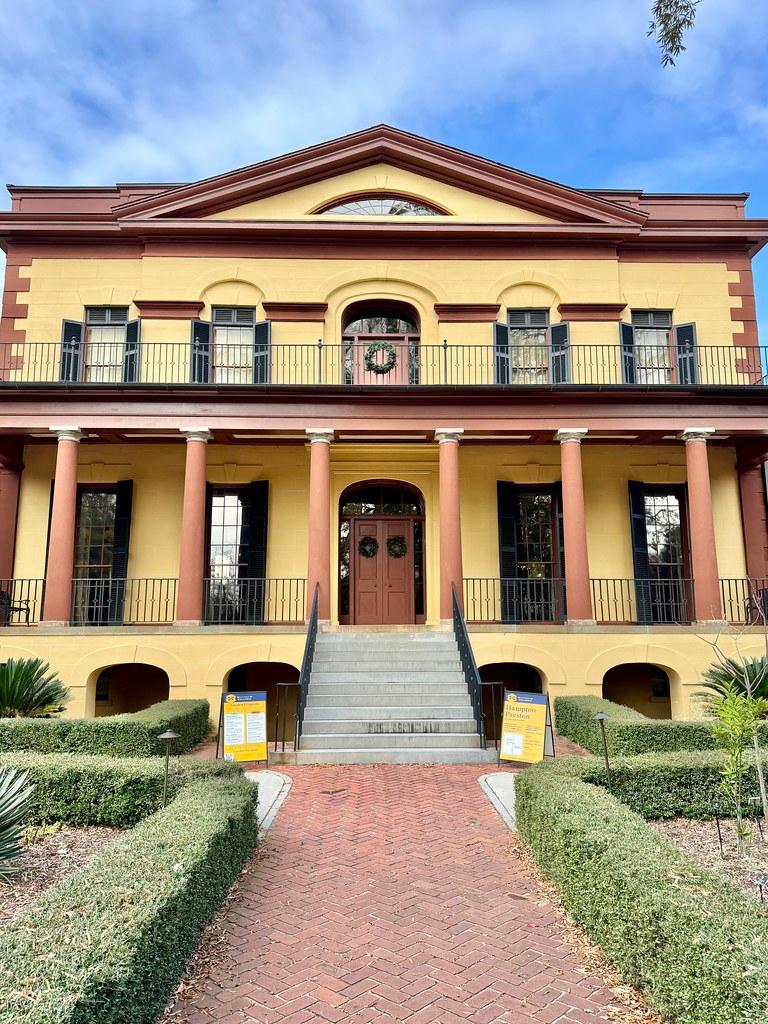
Charlotte residents have watched a steady accumulation of external pressures and internal shifts that now frame everyday conversations about neighborhood stability and municipal direction.
The Path Leading to Present Discussions
Global developments involving trade routes, regional conflicts and security arrangements have filtered into local awareness through media and community channels, prompting questions about how distant policy choices intersect with city-level decisions on growth and safety. This layering of outside events onto Charlotte's ongoing urban planning efforts has created a backdrop where residents weigh immediate infrastructure needs against wider uncertainties. Over successive years, city politics has moved from isolated project approvals toward more integrated reviews that consider both domestic trends and international signals.
Community groups and elected officials have adjusted their agendas in response, drawing on patterns seen in other major U.S. cities where similar external factors have prompted revised zoning reviews and public safety assessments. The result is a local conversation that treats urban development not as a standalone topic but as one connected to broader stability concerns.
Evidence of Accumulated Influences
Without a single decisive statistic available from city records at this stage, the evidence appears in the gradual expansion of public meeting agendas to include briefings on international developments alongside routine items such as transit routes and housing proposals. Local coverage has reflected this by allocating space to both neighborhood-level updates and summaries of national responses to overseas events. The pattern shows a city adapting its information flow rather than reacting to one isolated trigger.
Observers describe the process as incremental, with each new global headline adding a layer to existing files on economic resilience and infrastructure funding. This steady buildup has produced the current emphasis on preparing municipal strategies that can accommodate both routine growth targets and unexpected external pressures.
City staff continue to monitor developments through standard channels, and residents can follow updates via established municipal websites and neighborhood association notices for any adjustments to meeting schedules or planning documents.