news
Charlotte Residents Speak Out on Education Policy Changes and Impacts
Local residents share their experiences and concerns amid evolving educational policies and community impacts in Charlotte.
How we reported this
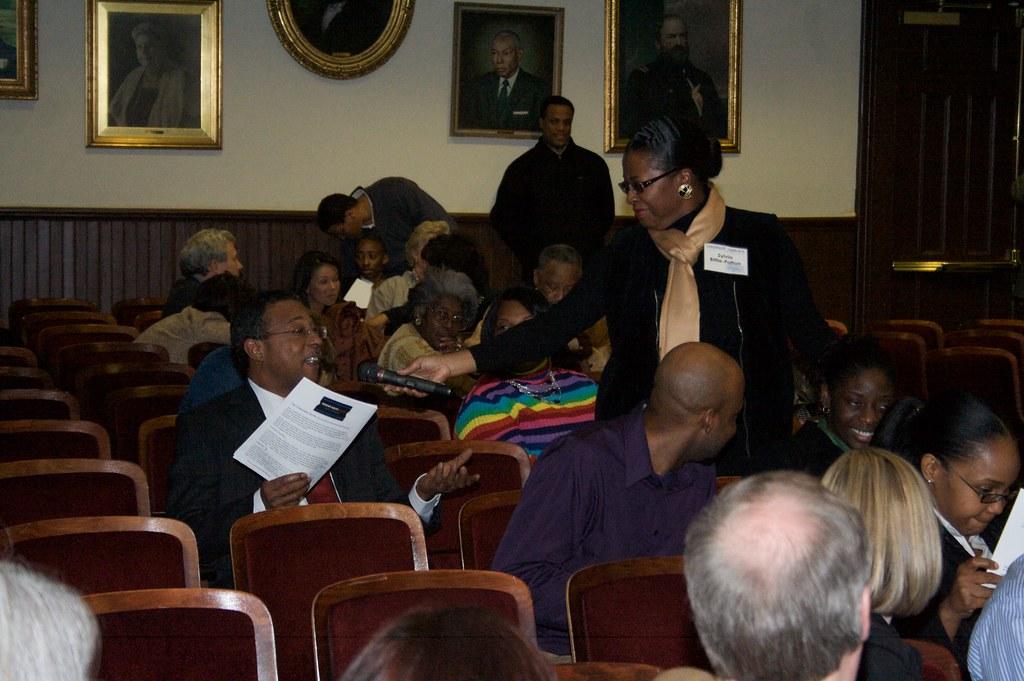
Charlotte’s neighborhoods are grappling with diverse educational challenges that affect families, teachers, and students alike. Community members across varying districts have begun speaking out, sharing firsthand accounts that highlight the lived realities behind the broad policy shifts educators face today.
Why Education Matters to Charlotte’s Families Now
Education remains a vital issue in Charlotte as shifts in policy and resource allocation reverberate through schools and homes. With changing demographics and economic pressures on families, many residents feel the urgency of ensuring schools address not only academic standards but also community needs. Parents and educators alike are navigating how new priorities align or clash with their expectations and experiences.
Those in Charlotte’s established neighborhoods, along with rapidly growing suburban areas, report feeling a mix of hope, frustration, and determination. They see education as key to their children’s futures but worry about gaps in access, quality, and support. Community voices underscore the importance of local engagement as decision-makers shape the schooling landscape.
Insights from Local Residents Illuminate the Impact
Residents in Charlotte’s east and south regions have described the challenges their children face in public schools dealing with overcrowded classrooms and varying levels of programming support. Some parents highlight how district programs, while well-intentioned, often do not fully account for the unique socioeconomic realities in different parts of the city. Meanwhile, educators express the strain of balancing mandated curricula with the need for culturally responsive teaching.
The role of community organizations also arises frequently. Local nonprofits and advocacy groups have stepped in to provide supplemental educational resources and enrichment activities, especially in areas with fewer school-based opportunities. Parents note these partnerships as crucial yet emphasize that they cannot replace systemic improvements.
Charlotte’s community conversations often focus on communication and transparency from school officials. Many residents call for more forums and direct engagement where their concerns can be heard and influence policy. The lived experiences shared on social media and at neighborhood meetings reflect a desire for education to be a collaborative effort, not just a top-down system.
In summary, education in Charlotte is a deeply personal issue for many families. Their perspectives reveal a mix of optimism for potential reforms and the ongoing need to address persistent inequities that affect student achievement and well-being.
Looking ahead, city schools and community leaders might consider expanding outreach efforts and strengthening partnerships with local organizations to better meet diverse needs. For parents seeking to get involved, neighborhood PTOs and local education advocacy groups provide avenues for input and action. Staying informed about school board meetings and policy proposals can also empower families to influence Charlotte’s educational future.