news
Charlotte's Infrastructure Work Reshapes How 900,000 Residents Travel Daily
Ongoing street and transit adjustments are changing how people travel, shop and connect in their own blocks.
How we reported this
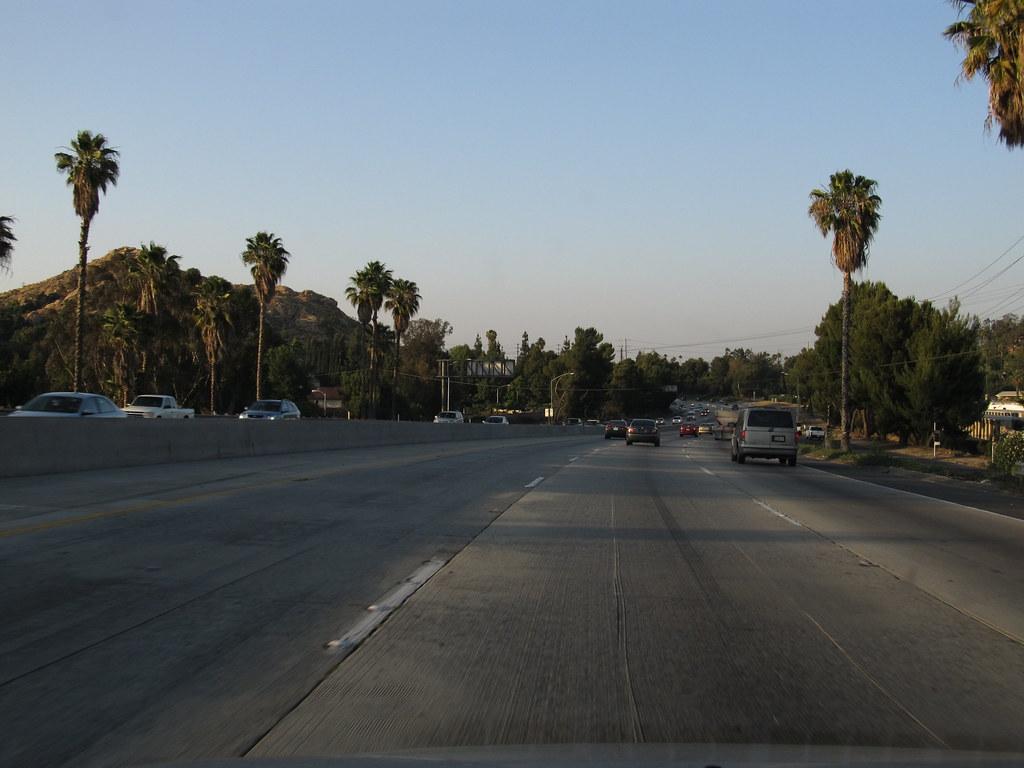
Charlotte crews continue to repair and widen several key corridors that run through established neighborhoods. Drivers and bus riders report longer waits at intersections near Uptown and along routes feeding into South End. These adjustments stem from the need to handle growing traffic volumes recorded by city transportation staff over recent years.
The timing stands out because federal funding streams for surface transportation have shifted priorities toward maintenance rather than brand-new builds. Residents who rely on predictable commutes to jobs downtown or to medical facilities off Independence Boulevard now face variable delays during peak hours. Local businesses along those same stretches note changes in customer foot traffic as parking patterns shift around construction zones.
Effects on Neighborhood Access
Families in Dilworth and Plaza Midwood describe altered walking routes to schools and parks when sidewalks close for utility work. Parents report needing extra time to drop children off or pick them up, especially on streets that serve multiple day-care centers. Public transit users who transfer at the Charlotte Transportation Center experience knock-on delays when buses reroute around active sites.
Small retailers in NoDa have adjusted delivery schedules to avoid blocked loading zones. Some owners say the temporary loss of on-street spaces has cut quick-stop visits from nearby apartment residents. At the same time, longer-term improvements to drainage and lighting are expected to reduce flooding complaints that have repeatedly surfaced after heavy rains in those blocks.
Daily Trade-offs for Commuters and Shoppers
City data summaries show that segments of major arterials carry tens of thousands of vehicles each weekday. When lanes narrow for repaving, the backup extends into residential side streets that were never designed for through traffic. Cyclists and pedestrians note new crosswalk timings at several upgraded signals, which add seconds to each crossing but aim to cut collision risks documented in earlier safety audits.
Property owners near active work zones have contacted neighborhood associations to ask about noise limits and dust control. The discussions focus on balancing construction speed with livability during summer months when windows stay open. Officials have posted updated project maps on the city website so households can plan alternate routes in advance rather than discovering closures on the morning drive.
Residents can monitor the latest lane closures and bus detours through the city’s online dashboard or by signing up for neighborhood email alerts. Checking these updates before leaving home remains the most direct way to limit surprises on routes that pass through ongoing work areas.