wellness
Your Bedroom Is Working Against You: How Temperature, Light and Noise Are Wrecking Charlotte's Sleep
As summer heat pushes into the mid-90s across the Carolinas, sleep scientists say the three environmental factors most people ignore are quietly dismantling their health.
Listen in English · 4 min
How we reported this
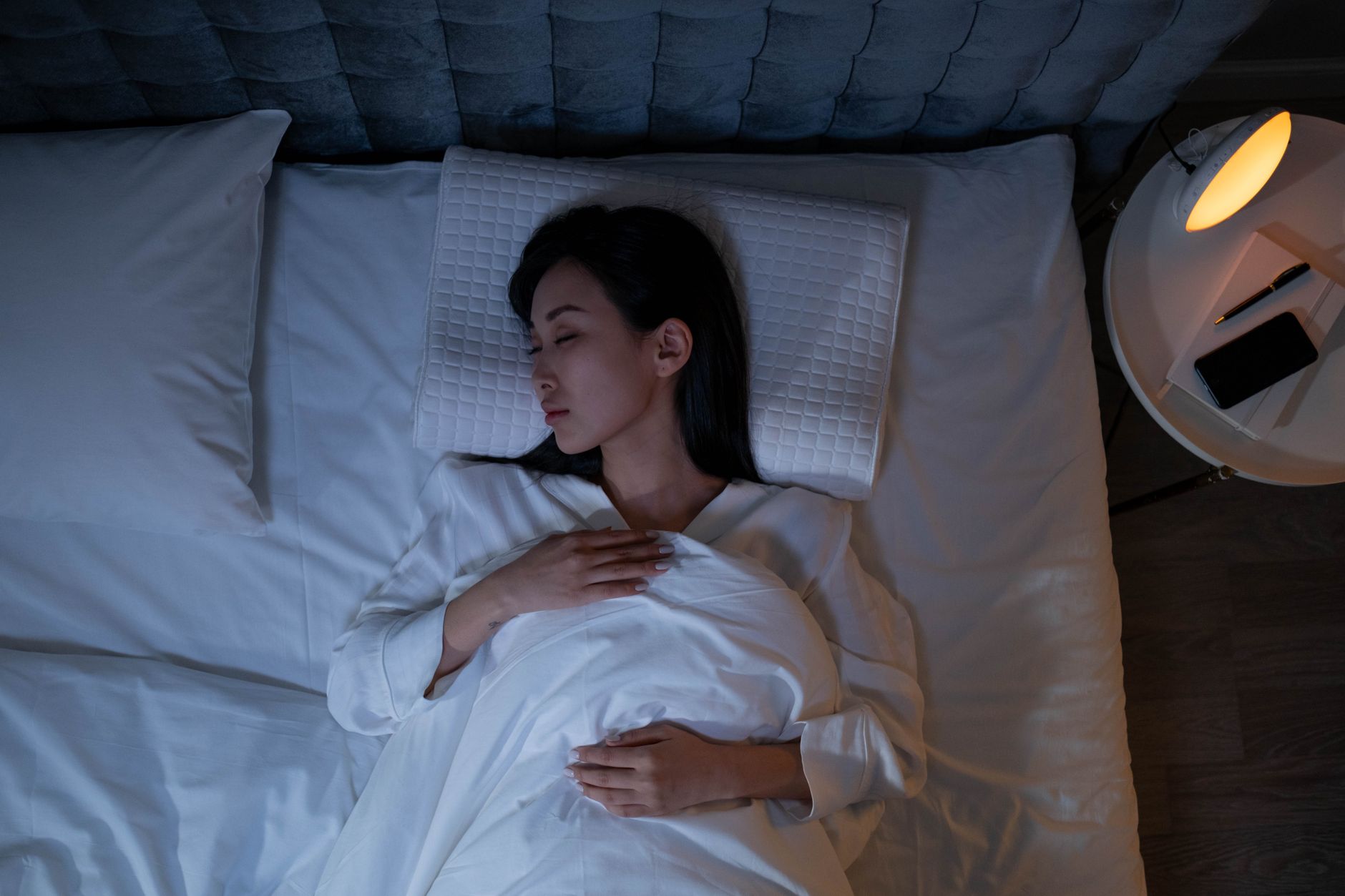
The average adult in the American Southeast gets 6.1 hours of sleep per night during July-nearly a full hour below the CDC's minimum recommendation of seven hours. Charlotte's combination of urban heat, a construction boom reshaping South End and NoDa, and the persistent light pollution creeping over Uptown is making that gap wider.
This matters right now because summer 2026 is shaping up to be among the hottest on record for Mecklenburg County. The National Weather Service has already issued four excessive heat advisories since June 1, and overnight lows have repeatedly refused to drop below 75°F-a threshold sleep researchers at UNC Charlotte's Department of Psychological Science identify as the point at which restorative sleep becomes physiologically harder to achieve.
The Three Variables Silently Running Your Night
Temperature is the biggest offender. The body needs its core temperature to drop roughly 1 to 2 degrees Fahrenheit to trigger and sustain deep sleep cycles. When a bedroom sits at 78°F or above-common in Charlotte apartments without updated HVAC-that process stalls. Sleep specialists broadly recommend a room temperature between 65 and 68°F. Running central air to hit that target costs Charlotte-area renters an estimated $40 to $65 extra per month in July, according to Duke Energy's residential rate calculator based on the current 11.2 cents per kilowatt-hour rate in North Carolina.
Light is the second culprit, and it operates on a longer fuse. Artificial light-from phones, streetlamps, and the glow of signage along North Tryon Street and the new mixed-use developments near the Rail Trail-suppresses melatonin production. Research published in the Journal of Clinical Sleep Medicine in March 2025 found that exposure to just 10 lux of light in the hour before bed delayed melatonin onset by an average of 90 minutes. Ten lux is roughly the brightness of a phone screen at half intensity.
Noise rounds out the trio. Charlotte Douglas International Airport handled 59.8 million passengers in 2025, and flight paths over Steele Creek, Ballantyne, and parts of South Charlotte mean late-evening engine noise is a structural fact of life for tens of thousands of residents. Separately, the ongoing I-485 interchange work near Pineville generates overnight construction noise exceeding 70 decibels-the equivalent of a vacuum cleaner running continuously. The EPA considers 45 decibels the safe upper limit for outdoor bedroom noise during sleep hours.
What Charlotte Residents Can Actually Do
A few local resources are worth knowing. Atrium Health's Sleep Center, with locations on Randolph Road and in Huntersville, offers formal sleep studies starting at a co-pay of around $150 for most major insurance plans. For people not ready for a clinical referral, the Mecklenburg County Public Health Department runs a free Sleep and Stress Resilience workshop series out of the Valerie C. Woodard Center on Weights Creek Parkway-the next session is scheduled for July 22, 2026.
Practical steps don't require a renovation budget. Blackout curtains, available at the IKEA on Ikea Boulevard in the University area for as little as $19.99 per panel, address the light problem directly. A white noise machine or a box fan pointed away from the bed can mask street and flight noise without requiring earplugs that some people find disruptive. Cooling the mattress matters more than cooling the air: mattress pad toppers with water-circulation systems now retail between $200 and $500 at Sleep Number's SouthPark Mall location.
The harder habit shift is light discipline after 9 p.m. That means dimming overhead fixtures, switching phones to the lowest brightness setting, and-if you live in a ground-floor unit on a lit corridor like Plaza Midwood's Central Avenue-hanging something heavier than a sheer curtain. Small adjustments, compounded across a week, can shift sleep onset by 30 to 45 minutes and meaningfully improve the quality of deep-sleep stages that govern memory consolidation and immune function.
Anyone experiencing persistent insomnia-defined as difficulty sleeping three or more nights per week for at least three months-should consult a physician or sleep specialist rather than self-diagnose. The Mecklenburg County health line at 704-336-6500 can direct callers to low-cost options if cost is a barrier.
References Sourced but Not Limited to:
- keck.usc.edu · Study links rising temperatures to reduced sleep in u s adults
- pmc.ncbi.nlm.nih.gov · Articles
- health.clevelandclinic.org · What is the ideal sleeping temperature for my bedroom
- thensf.org · Is your bedroom too warm it could be affecting your sleep
- sleepcareonline.com · Best room temperature for sleeping